TIMELINE TO WAR
EXEC SUM
U.S. President Donald Trump announced that “major combat operations” have begun against Iran in coordinated strikes with Israel, marking a significant escalation in Middle East hostilities. The operation follows weeks of mounting tensions and attempts at diplomacy that failed to halt Iran’s nuclear and missile programs.
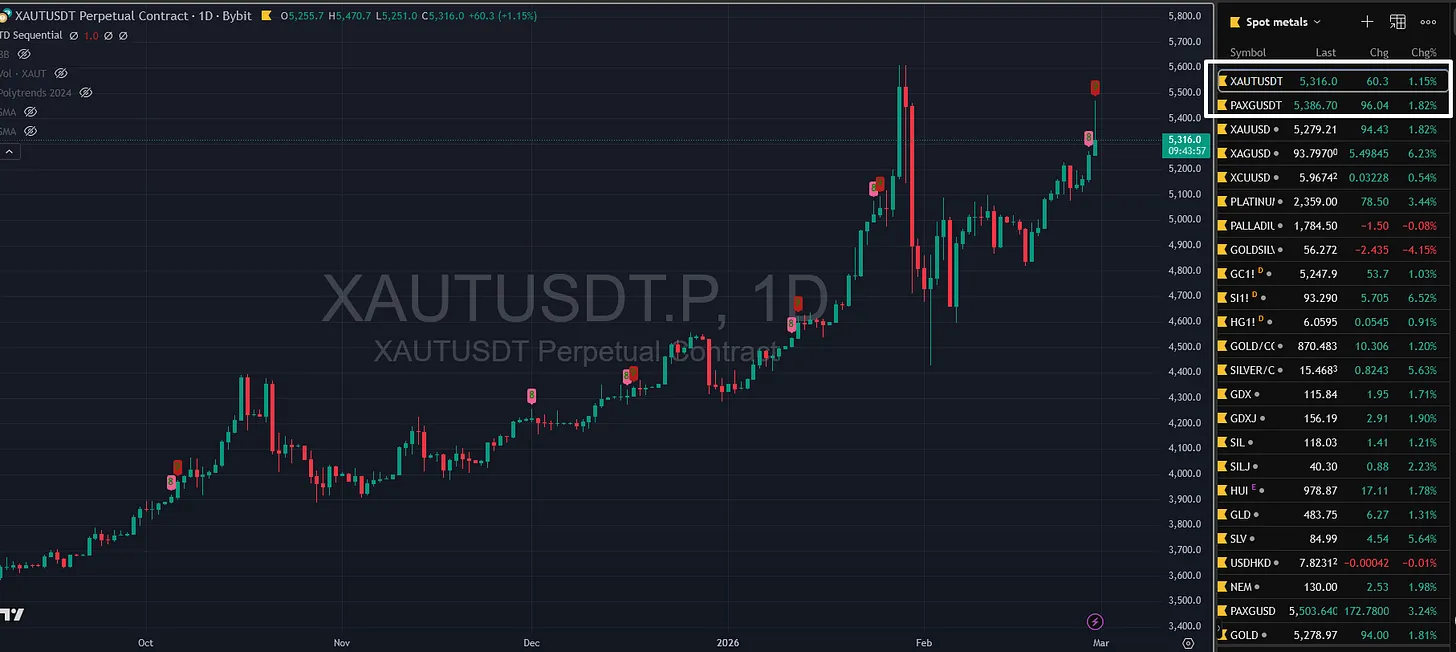
Gold is trading up on the news while OTC oil signals extreme tightness. Below is our summary and a graphic timeline from December.
GFN – WASHINGTON
President Donald Trump announced that “major combat operations” against Iran are underway in coordination with Israel, marking a significant escalation in Middle East hostilities following weeks of mounting military and diplomatic tension.
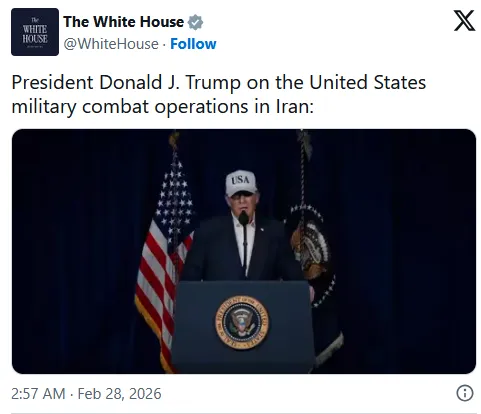
U.S. and Israeli forces initiated coordinated strikes on multiple Iranian targets, with the White House framing the action as necessary to eliminate strategic threats tied to Iran’s nuclear and missile programs. The announcement was delivered via video statement and social media, where the president directly addressed the Iranian public.
“The hour for your freedom is at hand. When we’re finished, take over your government. It will be yours to take. This will be, probably, your only chance for generations.”
U.S. officials indicated that the strikes targeted military infrastructure and strategic facilities. Early impacts appeared concentrated in central Tehran, with reports of visible smoke rising from multiple locations in the capital.
“The first strikes of the attack appeared to target the compound home to Iran’s 86 year old Supreme Leader Ayatollah Ali Khamenei in downtown Tehran… Smoke could be seen rising from the Iranian capital.”
Iran’s Revolutionary Guard reportedly responded with missile and drone launches toward Israel and U.S. installations in the Gulf region, including facilities in Bahrain. Regional airspace restrictions were quickly implemented as defensive systems were activated across Israel and neighboring states.
“The time has come to defend the homeland and confront the enemy’s military assault.”
The escalation follows indirect diplomatic engagements between U.S. and Iranian negotiators that failed to produce a breakthrough on nuclear constraints. Defense officials stated that the objective of the strikes is to degrade Iran’s military capabilities and deter further regional aggression.
Market reaction was immediate. Crude oil futures moved higher on supply risk concerns while broader risk assets experienced volatility. Shipping routes in the Gulf were reassessed amid heightened security alerts.
International reaction has been swift. Russia condemned the strikes as aggression, while several European governments called for restraint and de escalation. Israel declared civil defense protocols nationwide and closed portions of its airspace.
The duration and scope of the campaign remain uncertain. Iranian leadership signaled that retaliatory measures will continue, raising the prospect of a broader regional confrontation. U.S. personnel and assets across the region remain on heightened alert as operations proceed.
TIMELINE TO WAR
- Dec 28 — Anti-regime protests erupt across Iran amid economic collapse and a plunging rial. Strike probability trades at 10¢.
- Jan 8–10 — The regime imposes a nationwide internet blackout. Reports of mass killings surface; eventual estimates exceed 30,000 deaths. Contract reprices sharply from 40¢ to 63¢.
- Jan 13 — President Trump publicly encourages protesters to “keep protesting” and “take over your institutions,” adding that “help is on the way.” Probability rises to 77¢.
- Jan 23 — The White House announces a U.S. naval deployment to the Middle East, including the USS Abraham Lincoln carrier strike group. Markets moderate expectations to 62¢.
- Feb 6 — Indirect U.S.–Iran nuclear talks begin in Oman. Traders interpret diplomacy as de-escalatory. Contract falls to 39¢.
- Feb 13–14 — Strike odds bottom at 30¢. Trump states regime change would be “the best thing.” U.S. officials signal preparations for “weeks-long sustained operations, not just a limited strike.” Markets remain unconvinced.
- Feb 17–22 — Talks resume in Geneva. Simultaneously, the U.S. deploys additional jets, tankers, and refueling aircraft to the Middle East and Europe. Satellite imagery confirms expanded aircraft presence at Saudi bases. Contract rises from 44¢ to 58¢.
- Feb 26 — Geneva negotiations conclude with “significant progress.” Probability slips to 54¢. Meanwhile, the USS Gerald R. Ford departs Crete and moves toward Israel.
- Feb 27 — The Ford arrives off Haifa. The U.S. Embassy orders non-emergency personnel to depart Israel. President Trump states, “All options remain available.” Probability moves to 68¢.
- Feb 28, approximately 1:53 AM ET — Israel’s Defense Minister announces a “preventative attack on Iran.” Minutes later, President Trump confirms “major combat operations.” The Pentagon refers to the campaign as “Operation Epic Fury,” while Israel uses the designation “Shield of Judah.” The contract settles at 99.9¢.
For two months, diplomacy and force posture advanced simultaneously. Markets repeatedly discounted negotiations. The military buildup continued uninterrupted.